What is a Mobile App?
What is a Mobile App?
Published: 26 Jul 2022 | Updated: April 2026
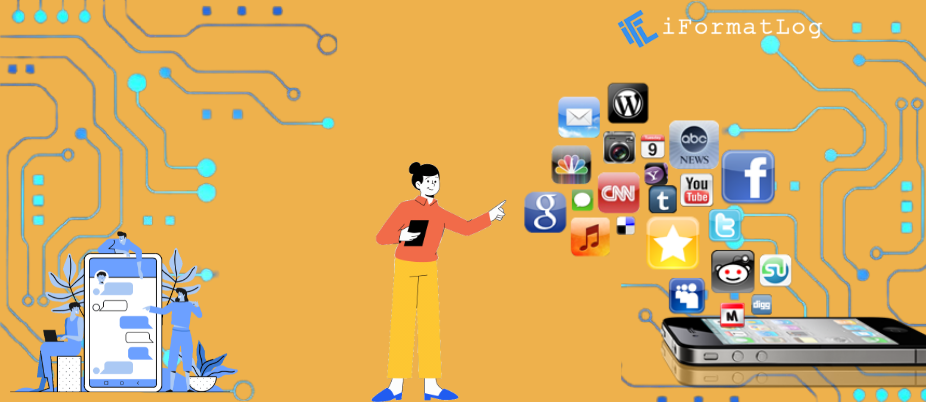
Mobile App
A computer program or software application that is made specifically to run on a mobile An application for a mobile device, also referred to as an app, is one that runs on a phone, tablet, or wearable. Via contrast to desktop applications, which are created to operate on desktop computers, and web applications, which run in mobile web browsers rather than directly on the mobile device, mobile applications are frequently intended to run on mobile devices.
The public demand for apps caused a rapid expansion into other fields such as mobile games, factory automation, GPS and location-based services, order-tracking, and ticket purchases, leading to the availability of millions of apps today. Apps were initially intended for productivity assistance such as email, calendar, and contact databases. Internet access is required for many apps. App shops, a type of website where users may download apps, are typically.
App Categories
There are a few distinct kinds of apps that may be downloaded by both consumers and corporations. The most well-known applications currently in use are those listed below:
Web-based application
A web-based program is one that needs the internet to function fully. These applications are created using CSS, HTML5, or JavaScript. Because the databases are kept on an Internet server, a web-based program often uses far less memory on a user's device. Web-based applications include Netflix, Google Docs, and Dropbox, as examples.
Native app
Native applications are those that are designed specifically for a particular mobile platform. An app designed for an Apple iPhone, for instance, will only run on Apple devices and will not function on other mobile phone platforms, such as Android.
App hybrid
A hybrid app is a blend of web-based and native applications that is designed to support both native and web-based technology.
Obtaining Apps
Depending on where you want to download an app, there are a variety of ways to do it. Users of smartphones can download apps directly from the app store for their particular mobile device. If you have an Apple iPhone, for instance, you can download programs straight from the phone's internal App Store. Users can get mobile apps for Android devices via the Google Play Store and Amazon's Amazon Appstore.
Mobile Trends in 2026
As we move through 2026, the mobile application landscape has shifted toward even deeper integration and intelligence:
AI-Native Experiences: Most apps now feature on-device machine learning for real-time translation, predictive typing, and personalized content without needing a constant cloud connection.
Edge Computing: To reduce latency, modern apps process more data at the "edge," providing instantaneous responses for gaming and AR/VR applications.
Eco-Mode Efficiency: With growing environmental concerns, developers are prioritizing "green coding" to reduce battery drain and data usage.
"Mobile apps have evolved from simple tools to the primary interface through which we experience the world. The best apps are those that disappear into our daily lives."
Ready to build a high-performance app for your business? Visit iFormatLogic to partner with our expert mobile developers and turn your vision into a digital reality.