What is Ajax?
What is Ajax?
Published: 11 Apr 2023 11:44
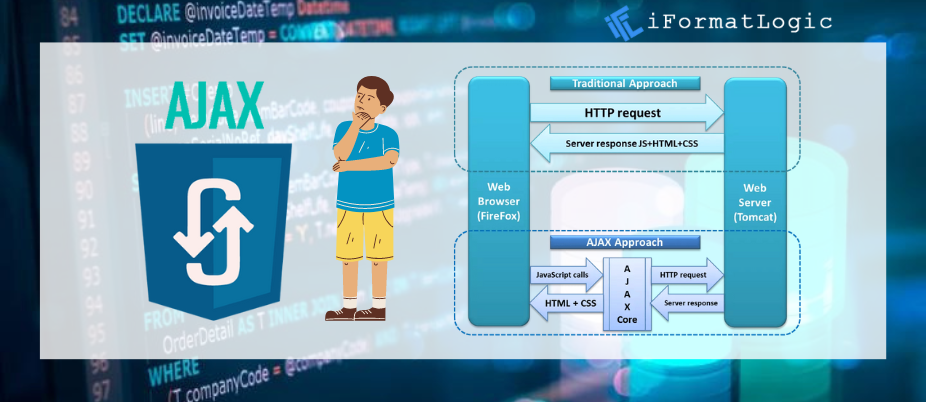
AJAX, which stands for Asynchronous JavaScript and XML, is a set of web development techniques that allows web pages to update content without requiring a full page reload.
By using AJAX, web applications can send and retrieve data from a server in the background. This results in a seamless, faster, and more interactive experience for the user. It is the cornerstone of Rich Internet Applications (RIA) and is the reason modern sites feel more like desktop software than static documents.
The AJAX Tech Stack:
JavaScript: The engine that triggers events and manages the asynchronous flow.
XMLHttpRequest (XHR): The core object used to communicate with the server without interrupting the user.
DOM (Document Object Model): Allows JavaScript to dynamically change the structure and content of the page.
CSS: Ensures that dynamic changes are presented with the correct styling and visual flair.
AJAX in Action
You likely use AJAX every day through popular web services:
Google Maps: Dragging the map causes new tiles to load in the background without refreshing the browser.
Google Suggest: As you type in the search bar, predictions appear instantly.
Gmail: New emails arrive and labels are applied without ever leaving your current view.
Advantages
Speed: Reduces server traffic and reloads only the necessary data.
Validation: Provides immediate feedback on forms before they are even submitted.
Efficiency: Consumes less bandwidth by retrieving content in small chunks.
Disadvantages
SEO: Search engines can struggle to index content that loads dynamically.
Security: Source code is visible to everyone, potentially exposing vulnerabilities.
History: Can break the "Back" button functionality and bookmarking of specific states.
Final Thoughts
AJAX isn't just about a specific technology; it's about changing how we interact with data. It bridges the gap between the client and the server, allowing for a fluid experience that respects the user's time. While it requires a solid understanding of JavaScript to manage and debug, the benefits of decreased server load and increased responsiveness make it an essential tool for any modern web developer.
Looking for a reliable partner to help you navigate the future of digital innovation and IT solutions? Visit iFormatLogic to learn how we can empower your digital workforce today.