What is Cloud Computing ?
What is Cloud Computing ?
Published: 28 Dec 2022 09:29 | Updated: April 2026
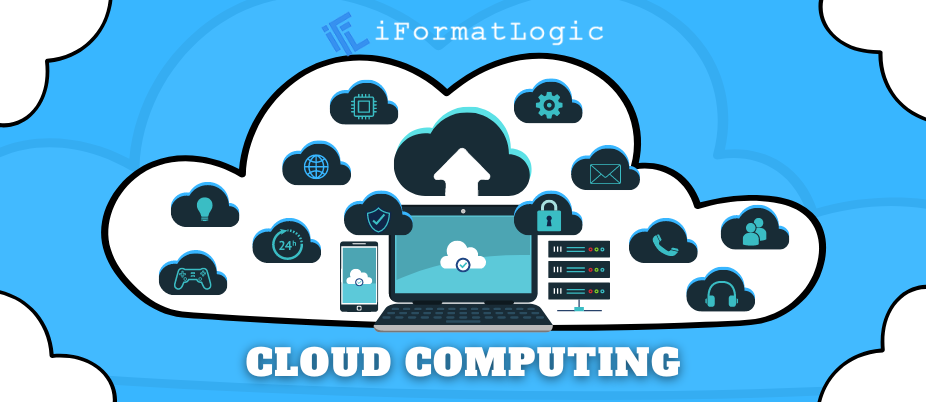
The phrase "cloud computing" describes a group of information technology services offered on-demand over a cloud or Internet connection.
The phrase "cloud computing" describes a group of information technology services offered on-demand over a cloud or Internet connection. With cloud computing, you may meet your company objectives by gaining access to shared resources, software, and data from any computer or mobile device. Because everything is on-demand and a user only pays for what they actually use when they need it, different forms of technology are therefore usable. Thus, cost-cutting and productivity-boosting cloud computing
How Does Cloud Computing Work?
Instead of purchasing own data centers or computing infrastructure, businesses can lease access to everything from applications to storage from a cloud service provider.
The direct cost and quality of owning and maintaining their own IT infrastructure are avoided when adopting cloud computing services, and instead, businesses just pay for what they really utilize.
By providing a similar service to a wide range of users, cloud computing service providers will, in turn, profit from considerable economies of scale.
Types of Cloud Computing:
A single sort of cloud computing is not appropriate for everyone, and not all clouds are created equal. To help provide the best solution for your needs, numerous distinct models, varieties, and services have emerged. In order to implement your cloud services, you must first choose the sort of cloud deployment or cloud computing architecture.
Public cloud: The computers and storage that make up public clouds are provided by independent cloud service providers who distribute their computing resources via the Internet. A public cloud is something like Microsoft Azure. With a public cloud, the cloud provider owns and manages all of the infrastructure.
Private cloud: Resources for cloud computing that are only used by one company or group are referred to as private clouds. The company's on-site datacenter may serve as the physical home of a private cloud.
Hybrid cloud: Hybrid clouds mix public and private clouds and are connected by a system that enables the sharing of data and applications between them. A hybrid cloud allows your company more flexibility and deployment options.
Types of Cloud services:
The majority of cloud computing services can be divided into four main groups:
Infrastructure as a service (IaaS): the simplest type of cloud computing services. IaaS allows you to pay-as-you-go rent IT infrastructure, such as servers and virtual machines (VMs), storage, networks, and operating systems.
Platform as a service (PaaS): Platform as a Service (PaaS) is a term used to describe cloud computing services that offer a flexible environment for creating, testing, distributing, and managing software applications.
Serverless computing: Serverless computing focuses on developing app functionality without regularly managing the servers and infrastructure necessary to do it. The setup, server maintenance, and capacity planning are taken care of by the cloud provider.
Software as a service (SaaS): Software as a service (SaaS) is a delivery method for software programs over the Internet, usually by subscription. With SaaS, cloud providers host, maintain, and take care of any maintenance.
Benefits of Cloud Computing:
Cost: By using the cloud, you can do away with the capital costs associated with purchasing hardware, setting up software, and maintaining on-site datacenters.
Speed: Since the majority of cloud computing services are self-service and on demand, even large quantities of computing resources may be deployed in minutes.
Global scale: Elastic scalability is one of the advantages of cloud computing services, providing the appropriate level of IT resources at the precise time.
Productivity: Hardware configuration, software patching, and other time-consuming IT administration tasks are eliminated, freeing up IT staff' time.
Performance: Powered by a global network of safe datacenters that are routinely updated with the most modern gear.
Reliability: Data can be replicated at many redundant sites, making data backup, disaster recovery, and business continuity simpler and less expensive.
Security: Cloud providers offer a wide range of policies, technologies, and controls to safeguard your data, apps, and infrastructure.
Final Thoughts:
cloud computing is a revolutionary technology that has transformed the way businesses and individuals access and use computing resources. By using cloud services, organizations can save costs, increase efficiency, and reduce IT infrastructure management responsibilities. Cloud computing also allows for greater flexibility and scalability, as resources can be easily added or removed as needed. However, it is important to carefully evaluate security measures and contracts before moving sensitive data to the cloud. Overall, cloud computing is a powerful tool that can greatly benefit organizations and individuals looking to leverage the power of the internet and technology.
"Cloud computing isn't just about moving data; it's about shifting the way we think about scale, security, and the future of digital operations."
Concerned about your business’s digital infrastructure? Visit iFormatLogic to connect with our experts and build a safer, more efficient digital future for your brand.